The IT Circle: Interview mit Erwan Conq, CIO Retail France bei ENGIE



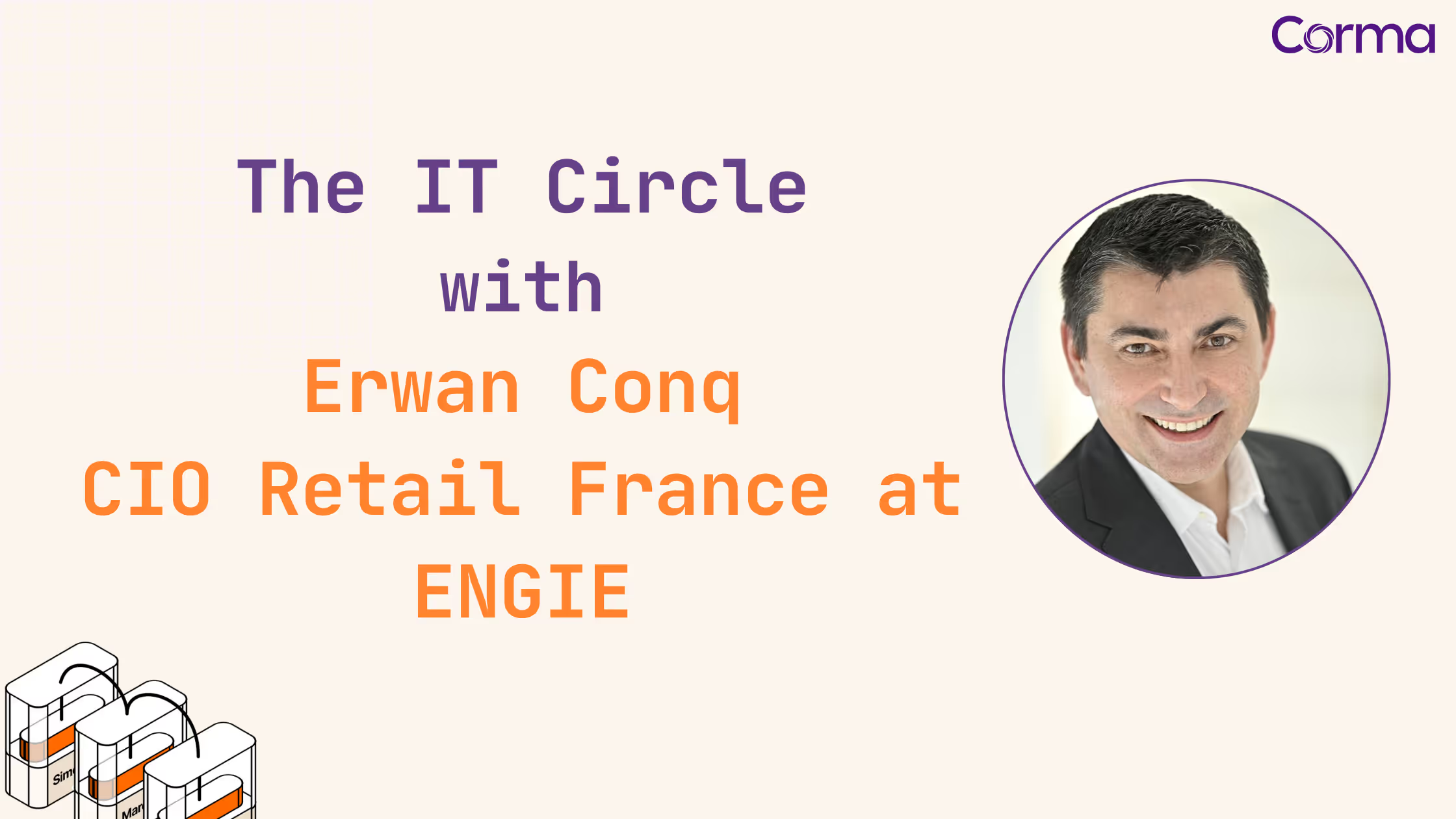
Der IT-Kreis: Erwan Conq, CIO Retail France bei ENGIE.
TL; DR In diesem Gespräch berichtet Erwan Conq über Erfahrungen aus über 30 Jahren in der IT und 11 Jahren bei ENGIE Retail France, wo IT den Betrieb von Millionen von Verbrauchern unterstützt. Er erklärt, warum Zuhören die wichtigste Fähigkeit eines Technologen ist, wie die Energiewende Unternehmen von kundenorientierten zu kundenorientierten Architekturen drängt und warum KI von großen allgemeinen Modellen zu spezialisierten Agenten übergehen wird, die von Metaagenten orchestriert werden. Er argumentiert, dass die Sichtbarkeit dort, wo Kundendaten auf dem Spiel stehen, strikt und an anderer Stelle pragmatisch sein sollte und dass die IT-Kommunikation auf zwei Säulen beruht: betrieblicher Exzellenz und fließender Umgang mit Geschäftsergebnissen. Mit Blick auf die Zukunft sieht er einfachere, stärker datengesteuerte Systeme, Multicloud als strategische Notwendigkeit und IT-Führungskräfte, die langfristige Ziele festlegen, anstatt nur Projekte abzuwickeln.
Welchen Rat würden Sie jemandem geben, der 2025 in der IT anfängt?
Beginne damit, zuzuhören. Ihr primäres Werkzeug sind Ihre Ohren, die mit Ihrem Gehirn verbunden sind. Geschäftsteams konzentrieren sich auf die Umsetzung und sehen nicht immer, wie ihre Arbeit der Strategie auf Unternehmensebene entspricht. Ihre Aufgabe ist es, die wahren Triebkräfte des Unternehmens zu verstehen, Bedürfnisse zu antizipieren und weiter in die Zukunft zu schauen, wenn sich der Wandel beschleunigt. Ein klarer Ausdruck ist wichtig, aber tiefes Zuhören steht an erster Stelle.
💡 „Der erste Tool in der IT hört zu. Versteht die Geschäftsabsicht hinter Anfragen, nicht nur die Anfrage selbst.“
Auf welches IT-Projekt sind Sie am meisten stolz oder das hat Sie am meisten herausgefordert?
Die herausforderndsten Initiativen sind diejenigen, die den Status Quo in Frage stellen und Sie dazu zwingen, unterschiedliche zukünftige Nutzungen zu prognostizieren. Energie durchläuft einen Strukturwandel: Der Stromverbrauch wird sich voraussichtlich verdoppeln, erneuerbare Energien führen zu Preis- und Verfügbarkeitsschwankungen, und die Gewinnmargen sind gering. Die Folge ist ein Übergang von kundenorientierten Systemen zu kundendatenzentrierten Systemen. Da Speicher und Rechenleistung auf Cloud-Ebene entkoppelt sind und die KI beschleunigt wird, werden die Informationssysteme von morgen eher auf Daten als auf monolithischen Anwendungen basieren. Das öffnet die Tür zu Hybrid- und Multi-Cloud-Strategien, die heute schwierig sind, aber mit der Vereinfachung der Architekturen realisierbar werden.
💡 „Unsere Systeme entwickeln sich von kundenorientiert zu kundendatenzentriert. Daten sind das neue Rückgrat, nicht die Anwendung.“
Wie wird sich KI auf die auswirken Verwaltung komplexer SaaS-Umgebungen?
Erwarten Sie zwei sich ergänzende Modelle. Große allgemeine Modelle wird es geben, aber der nachhaltige Weg sind spezialisierte Agenten, die auf bestimmten Korpora geschult und von Metaagenten orchestriert werden. KI sollte Prozesse beschleunigen und vereinfachen, anstatt sie vollständig zu ersetzen. Unternehmen müssen ein Minimum an Prozessen beibehalten, um die Ergebnisse vorhersehbar zu halten, denn Berechenbarkeit ist das, was Unternehmen verkaufen. Der praktische Stack sieht aus wie hochgradig skalierbare Data Lakehouse-Plattformen mit serverlosen Prozessebenen, die von KI animiert werden, um den Aufwand zu verringern und Halluzinationen zu vermeiden.
💡 „Verwenden Sie KI, um gut durchdachte Prozesse zu beschleunigen. Vorhersagbare Ergebnisse erfordern immer noch Prozesse.“
Wie haben sich die Akzeptanz und Nutzung von Anwendungen im Laufe Ihrer Karriere entwickelt?
Von einer Welt ohne Internet und E-Mail bis hin zur benutzerfreundlichen Benutzererfahrung bei der Arbeit — die Akzeptanzbarrieren sind gefallen. Die Benutzer sind autonomer und verwenden häufig redundante Tools außerhalb des offiziellen Stacks. Die Rolle des CIO besteht darin, zu segmentieren: Er regelt, was mit Kundendaten und kritischen Abläufen in Berührung kommt, und vermeidet eine Überregulierung harmloser Nutzungen, die die Kreativität fördert. Die Instrumentierung kann Sie mit Signalen überfluten. Der Wert entscheidet darüber, was kontrolliert werden muss und was flexibel bleiben sollte.
Warum ist Sichtbarkeit für Sicherheit und Compliance so wichtig?
Es gibt zwei Schulen. Manche versuchen, alles bis hin zu jeder Einkaufszeile zu kontrollieren, die aufgrund der Lautstärke zusammenbricht. Die pragmatische Sichtweise ist, kompromisslos zu sein, wenn es um Kundendaten geht, und anderswo entspannter zu sein. Ein geringfügiges Leak alter Adressen durch Dritte sorgte trotz begrenzter Wirkung für Schlagzeilen. Dies zeigt, warum unbekannte Apps, die Kundendaten enthalten, inakzeptabel sind. Bei Sichtbarkeit geht es also um eine risikobasierte Steuerung und nicht darum, jede App um ihrer selbst willen zu zählen.
💡 „Versuche nicht alles zu kontrollieren. Gehen Sie bei Kundendaten absolut vor, beim Rest pragmatisch.“
Was sind Best Practices für die IT-Kommunikation mit dem Unternehmen?
Agilität half dabei, produktive Rituale zu etablieren, aber das Fundament besteht aus zwei Säulen. Erstens muss der Betrieb funktionieren. Zuerst funktioniert es. Wenn die E-Mail ausgefallen ist, hört sich niemand Ihre KI-Roadmap an. Zweitens muss die IT die Sprache des Unternehmens sprechen und Technologieentscheidungen den Wertschöpfungsketten und Ergebnissen zuordnen. Organisatorisch sollten Sie technologisches Fachwissen mit Produkt- oder Programmeinheiten kombinieren, die auf die Wertströme des Unternehmens ausgerichtet sind, und dann multidisziplinäre Teams zusammenstellen.
💡 „Operative Exzellenz plus fließende Geschäftskenntnisse. Ohne beides hält die Kommunikation nicht an.“
Wie wird die Rolle des CIO in fünf bis zehn Jahren aussehen?
Die Rolle wird noch strategischer, da die IT einen größeren Teil des Betriebs übernimmt und die Entscheidungen von heute die Optionen von morgen voraussetzen. Die Systeme werden sich im Vergleich zur Komplexität vor der Cloud vereinfachen, auch wenn neue Risiken im Zusammenhang mit der gemeinsamen Nutzung von Daten und der DSGVO auftauchen. Multicloud wird ein strategischer Hebel sein, um Kosten und Abhängigkeiten in den Griff zu bekommen. In Bezug auf Datenverwaltung und Portabilität werden die Bedenken hinsichtlich der Verfügbarkeit nachlassen.
Wie sehen Sie IT-Ausbildung und kontinuierliches Lernen?
Die Kernkompetenz ist die Fähigkeit zu lernen und neugierig zu bleiben. Technologie und Rollen ändern sich ständig; die Essenz unseres Jobs ist Bewegung. Die Schulen sollten eine breit gefächerte Kultur und die Fähigkeit fördern, die technologische Entwicklung mit den Auswirkungen auf das Unternehmen in Verbindung zu bringen. Programmieren mag einfacher sein, aber zu verstehen, was gebaut werden muss, warum es wichtig ist und wie Veränderungen gesteuert werden können, wird immer wertvoll sein.
Bauen oder kaufen: Was ist der Trend?
Rechnen Sie mit einer Verlagerung hin zu einem stärkeren Aufbau auf soliden Datengrundlagen. Moderne Lakehouse-Plattformen ermöglichen es Ihnen, BI- und Transaktions-Workloads auf demselben Substrat auszuführen und die Daten kontrollierbar und portabel zu halten. Anstatt Prozesse in monolithischen ERP-Silos zu sperren, erstellen Unternehmen einfachere, serverlose Prozesse direkt auf der Grundlage verwalteter Daten, wobei KI die Ausführung unterstützt. Kaufen Sie robuste Cloud- und Datenprimitive und entwickeln Sie dann schlanke Prozesse, mit denen Sie sich von der Konkurrenz abheben.
💡 „Kaufe die Fundamente. Bauen Sie die Differenzierungsprozesse auf verwalteten, portablen Daten auf.“
Abschließender Gedanke
Die Aufgabe des CIO besteht darin, langfristige Entwicklungsverläufe zu planen, Geschäftstreiber mit den sich entwickelnden technischen Fähigkeiten zu verbinden und zu entscheiden, wo strikt und wo freizügig vorzugehen ist. Hören Sie zuerst zu, vereinfachen Sie Datenarchitekturen, regeln Sie, was wirklich wichtig ist, und kommunizieren Sie Ergebnisse in geschäftlicher Hinsicht.
%20acquired%20by%20Workday.avif)
Workday will C1 übernehmen: Was das für ConductorOne-Kunden bedeutet

Freshworks will Torii übernehmen: Was sich ändert und wie Sie wechseln

JumpCloud Preise 2027: Pakete, Grenzen des Free Tiers und echte Kosten pro Nutzer
The new standard in license management
Sind Sie bereit, Ihre IT-Governance zu revolutionieren?